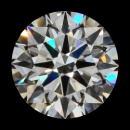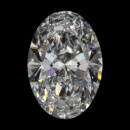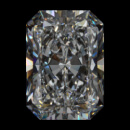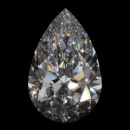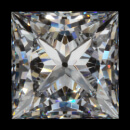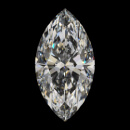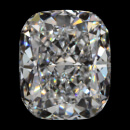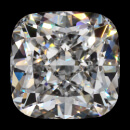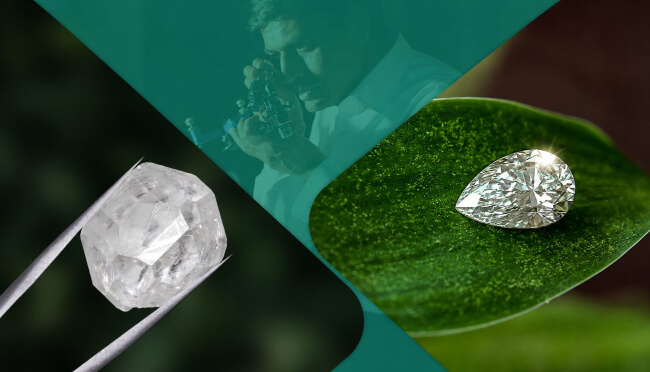
Our High Pressure High Temperature (HPHT) process replicates the natural formation of diamonds in a controlled laboratory environment. Carefully selected diamond seeds undergo a synthesis of intense pressure and heat. Over days and weeks, rough crystals emerge. Precise cutting and flawless polishing transforms them to perfect diamonds.
Unlike the alternative method, CVD, HPHT’s authentic replication of Earth’s natural process through GDC’s suite of advanced technology, produces diamonds with superior clarity, color, fewer imperfections, and enhanced brilliance—providing your business with premium-grade diamonds, promising consistent quality and scalability.
HPHT technology
The most prominent advantage of HPHT diamonds is its superior optical performance. Unlike CVD diamonds that frequently display striae, a phenomenon that suppresses the diamond’s sparkle, HPHT diamonds are devoid of these optical irregularities. Hence, HPHT diamonds ensure perfect, uninterrupted performance and visual aesthetics. This difference explains HPHT’s continued dominance in the lab grown diamond industry.
| PARAMETERS | HPHT | CVD |
|---|---|---|
| Growth method | Grown through extreme pressure and heat, similar to natural formation | Grown layer-by-layer from carbon gas |
| Growth pattern | May show zoning & flux-related patterns | Layered growth and strain lines |
| Clarity (FL, IF) | FL/IF easy to achieve in premium production | FL/IF rare |
| Treatment / annealing | Sold as-grown | Often treated to improve appearance |
| Annealing dependency | Less dependent on annealing; driven by recipe quality | Final whiteness depends on annealing success |
| Silicon marker | Not dominant compared to CVD | May show silicon-related signatures |
| Color (as-grown) | Creates whiter colors more consistently | Brown/grey tint before treatment |
| Consistency in white colors | More consistent for high whites | Needs tighter control for high whites |
| Inclusion trend | Metallic, flux-type inclusions | Strain, growth-related inclusions |
| Fancy color strength | High possibility for vivid colors | Fancy colors depend on manufacturing capability |
| Type | Type IIa / Type Ib | Commonly Type IIa |
| Market positioning | Premium price | Lower price due to scalability |
| Use case | Top-end clarity & premium assortments | Commercial & scalable production |
| Striation (Growth lines, banding) | Less common; may show growth zoning | High possibility due to layered deposition |
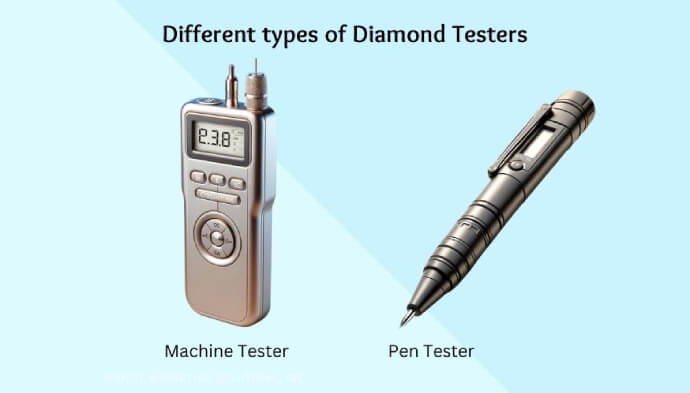
Differentiating between lab grown diamonds and mined diamonds can be hard for the layman. Even diamond experts have to rely on special equipment or devices to help them assess diamonds.
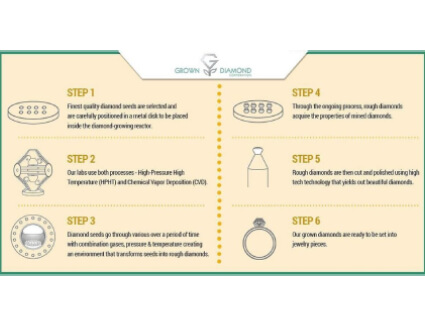
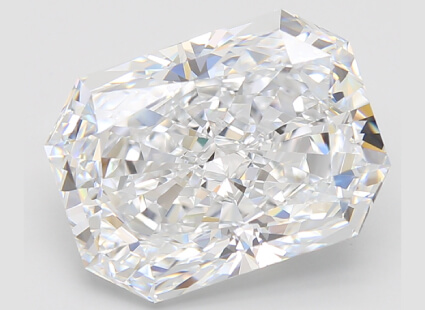
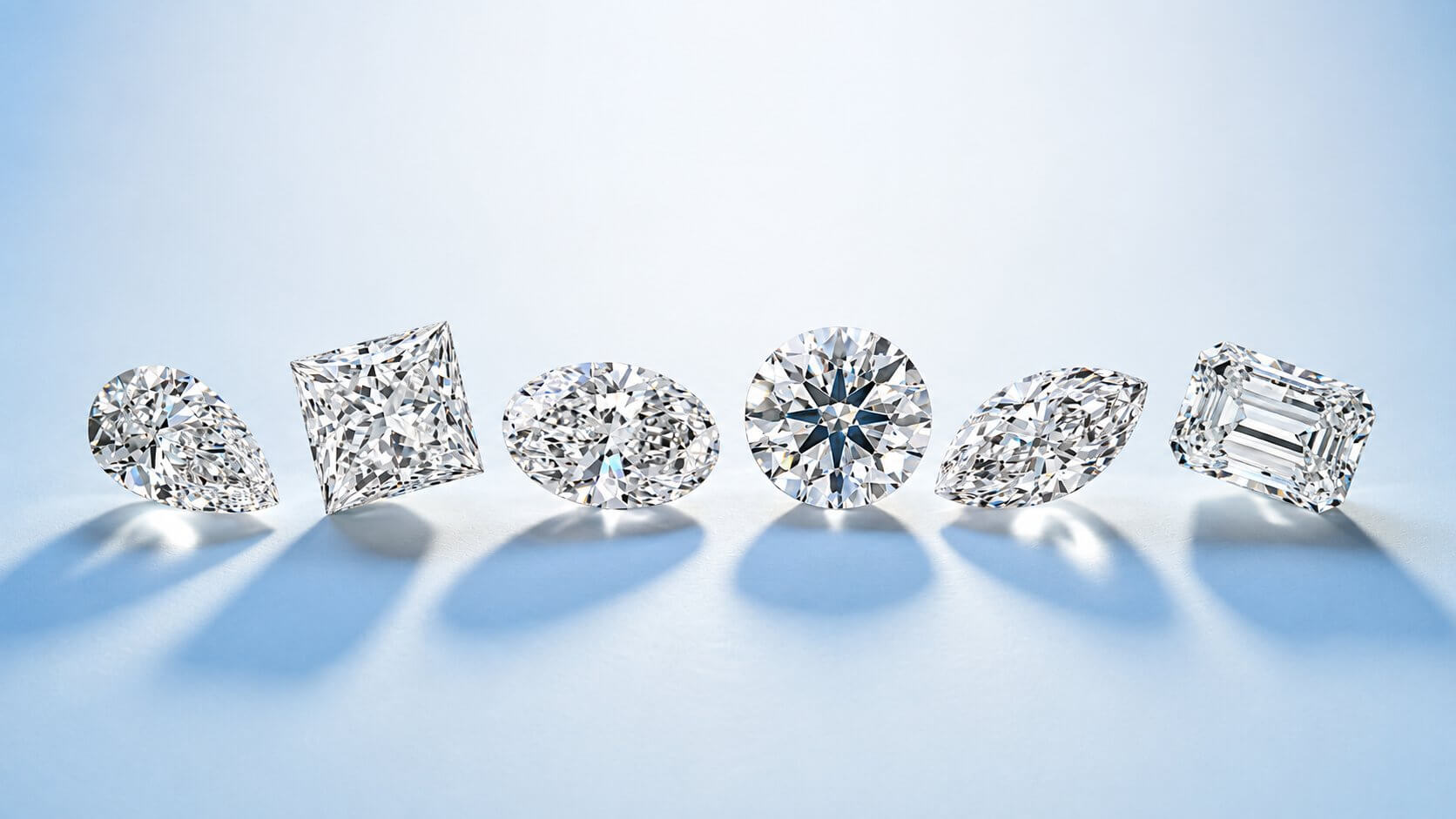
Why wait millions of years? Our HPHT diamonds are indistinguishable from natural diamonds, grown through human ingenuity within our laboratory.