Environmental Impacts Of Diamond Mining


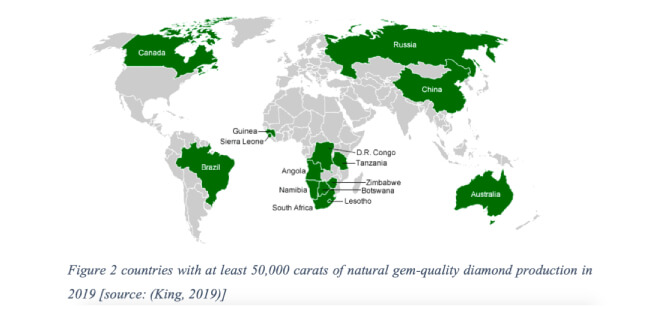
Diamond mining adversely affects the environment in many ways. This is a known fact. No matter how well diamond mining companies carry on mining activities, the process causes major disturbance to the environment.
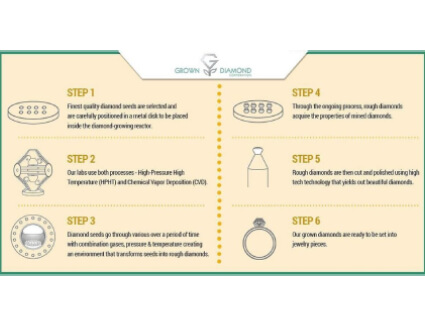
That’s one of the biggest reasons why conscious consumers are now opting for the alternative to mined diamonds: lab-grown diamonds.
If you want to know the real impact and effects of diamond mining on the environment, you must read this blog.
- Diamond mining operations create 143 pounds of carbon dioxide emissions per carat mined diamond.
- Synthetic diamonds produce 5.5 times less carbon dioxide emissions than natural diamonds.
- Mined diamonds consume more than 126 gallons of water per carat.
- Lab-grown diamonds consume just 18 gallons.
- Mined diamonds produce more than 30 pounds of Sulphur oxide; lab diamonds produce zero.
- Lab-grown diamond prices are 30 to 40% less than mined diamonds.
The above-mentioned figures, when multiplied by the countries mining diamonds and the number of diamonds, can cause a huge impact on the earth.
Deforestation and Habitat Destruction
Diamond mining involves clearance of land in order to mine and dig out land. This causes deforestation and the destruction of habitats. For example, trees and vegetation are removed to facilitate miners’ access to areas that are abundant in diamonds. This leads to the degradation of crucial ecosystems and uprooting of trees and forests.
Water Pollution
Diamond mining requires copious amounts of water for various activities, such as washing, and processing extracted ore. This frequently leads to the pollution of neighboring water sources with sediment, chemicals, and heavy metals. Consequently, it poses a threat to aquatic life and compromises the quality of drinking water available to local communities.
Greenhouse Gas Emission
The energy sources powering diamond mines contribute to the emission of greenhouse gases. The utilization of diesel fuels, electricity, and hydrocarbons in diamond mining releases detrimental carbon particles into the atmosphere. These chemicals increase smog, and contribute to climate change, and pose grave environmental hazards.
Air Pollution
Mined diamond activities involve heavy machinery and equipment, releasing pollutants into the atmosphere in the process. The use of diesel in generators and vehicles further adds to air pollution and contributes to greenhouse gas emissions. Additionally, dust during mining operations not only diminishes air quality but also presents health hazards for communities in close proximity.
| Mined Diamonds | Lab Grown Diamonds |
|---|---|
| Diamond mining involves clearing land, resulting in deforestation and the destruction of habitats. The depletion of natural ecosystems disturbs biodiversity, communities, and wildlife. | The production of lab created diamonds happens in controlled lab environments. Moreover, the waste is safely discarded without harming the environment, wildlife, or human population. |
| The mined diamonds have been linked to human rights violations, such as forced labor and the exploitation of child labor. | Lab grown diamond manufacturing companies follow strict labor and human rights rules and do not cause harm to human life. |
| Thousands of gallons of water are used to dig out earth to mine diamonds. | The usage of water to grow lab created diamonds is significantly low. |
| Mining activities are dangerous and cause harm to human life. | Synthetic diamonds created in labs do not cause danger or harm to human life. |
| 1 carat of mined diamond disturbs 100 square feet of land. | Cultured diamonds do not cause harm to land |
Diamond mining causes a lot of negative effects on the environment and the planet. This is one of the reasons why conscious consumers are choosing lab-grown diamonds instead of natural diamonds.
As the process of mining diamonds requires huge investments, time, and resources, these factors also influence its pricing. Lab-grown diamond prices, on the other hand, are at least 30 to 40% less.
Moreover, lab-created diamonds are more sustainable, can be produced as per demand, and can be tailored to customer preferences. All these factors make lab-grown diamonds the only meaningful and thoughtful choice for various industries using diamonds, including the jewelry industry.
If you’d like to know more about lab grown diamonds, reach out to Grown Diamond Corporation.